October 14, 2026
Concrete floors are valued for their strength, versatility, and ability to support demanding environments, but even durable concrete can deteriorate under constant use. Heavy foot traffic, vehicles, machinery, chemicals, moisture, and repeated impacts can gradually wear down an unprotected surface. Professional concrete floor coatings create an additional layer of defense that helps preserve the underlying material while improving appearance, safety, and ease of maintenance. These systems can be used in warehouses, garages, manufacturing facilities, retail spaces, parking structures, and other locations where floors must perform reliably. Understanding how coatings work and the benefits they provide can help property owners select appropriate protection for high-traffic surfaces.
Understanding How Floor Coatings Protect Concrete
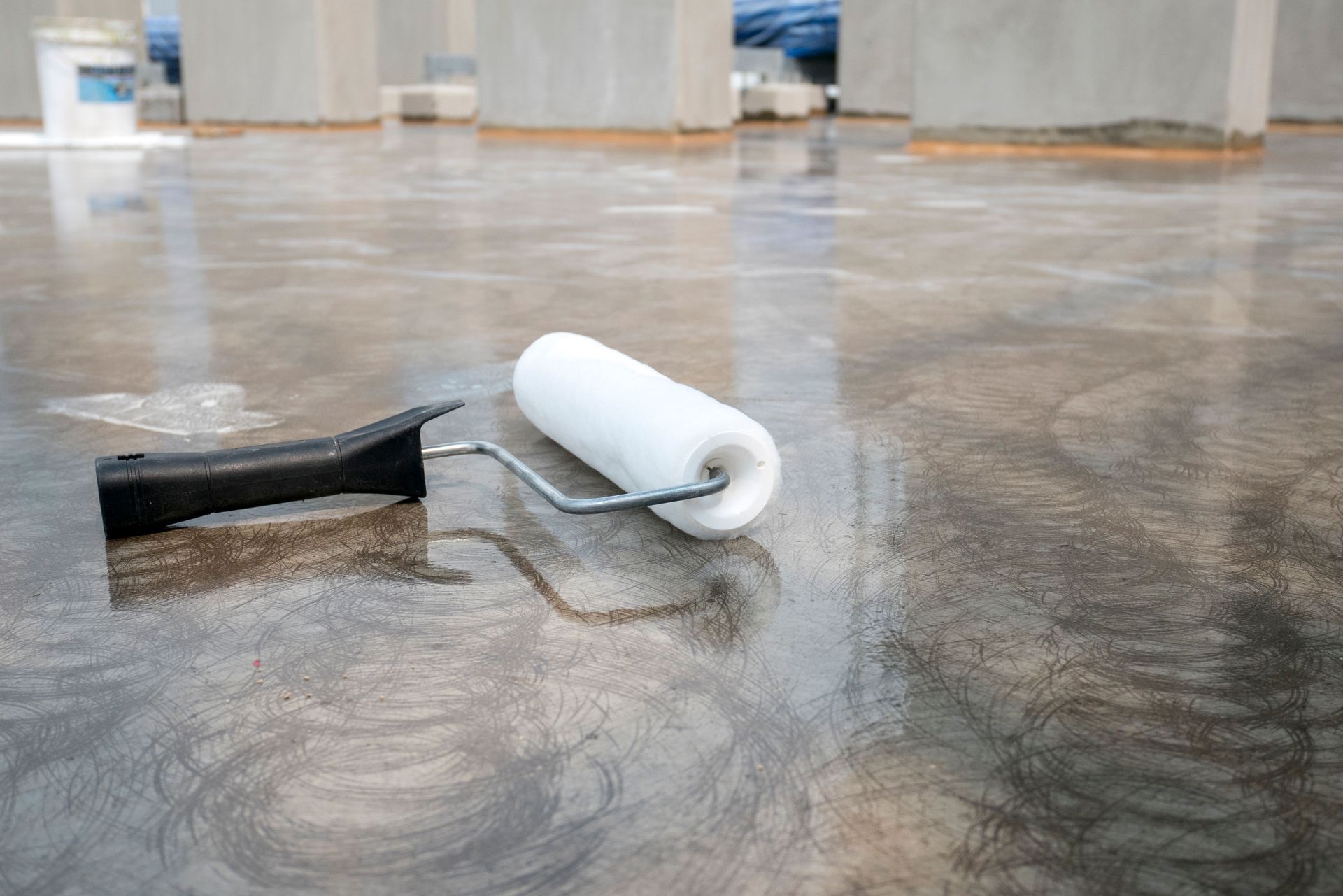
Floor coating systems typically combine resins, hardeners, and specialized additives to create a durable surface over concrete. Resins establish adhesion and form the primary protective layer, while hardeners support curing, strength, and resistance to daily stresses. Additional ingredients may provide properties such as UV stability, slip resistance, chemical protection, or decorative texture. When these components are properly selected and combined, concrete floor coatings can distribute stress across the surface instead of allowing repeated pressure to directly affect the concrete underneath.
The quality of these materials is particularly important in areas exposed to continuous traffic. According to Mordor Intelligence, concrete substrates accounted for 68.20% of the U.S. floor coatings market size in 2025, demonstrating the significant role concrete plays within this market. Appropriate coating systems can help address the challenges associated with maintaining these widely used surfaces. Material selection should account for the type of traffic, environmental exposure, maintenance requirements, and expected level of wear within a particular facility.
Selecting the Appropriate Coating Material
Different coating materials offer properties suited to specific applications. Epoxy systems are commonly selected for their adhesion, mechanical strength, and resistance to many chemicals. They can be useful in garages, warehouses, workshops, and industrial facilities where floors encounter machinery and substantial traffic. Polyurethane systems provide flexibility, abrasion resistance, and options for UV protection, making them useful where appearance and durability are both priorities.
Polyaspartic systems are another option and are recognized for relatively fast curing times and resistance to environmental conditions. Acrylic products may be suitable for locations requiring lighter protection or a simpler finish. Choosing among these materials requires more than considering appearance alone. Property owners should evaluate temperature changes, sunlight, moisture, chemicals, traffic intensity, and the types of equipment used within the space. Properly selected concrete floor coatings can therefore be tailored to the practical demands of a specific environment.
Preparing the Surface for Proper Adhesion
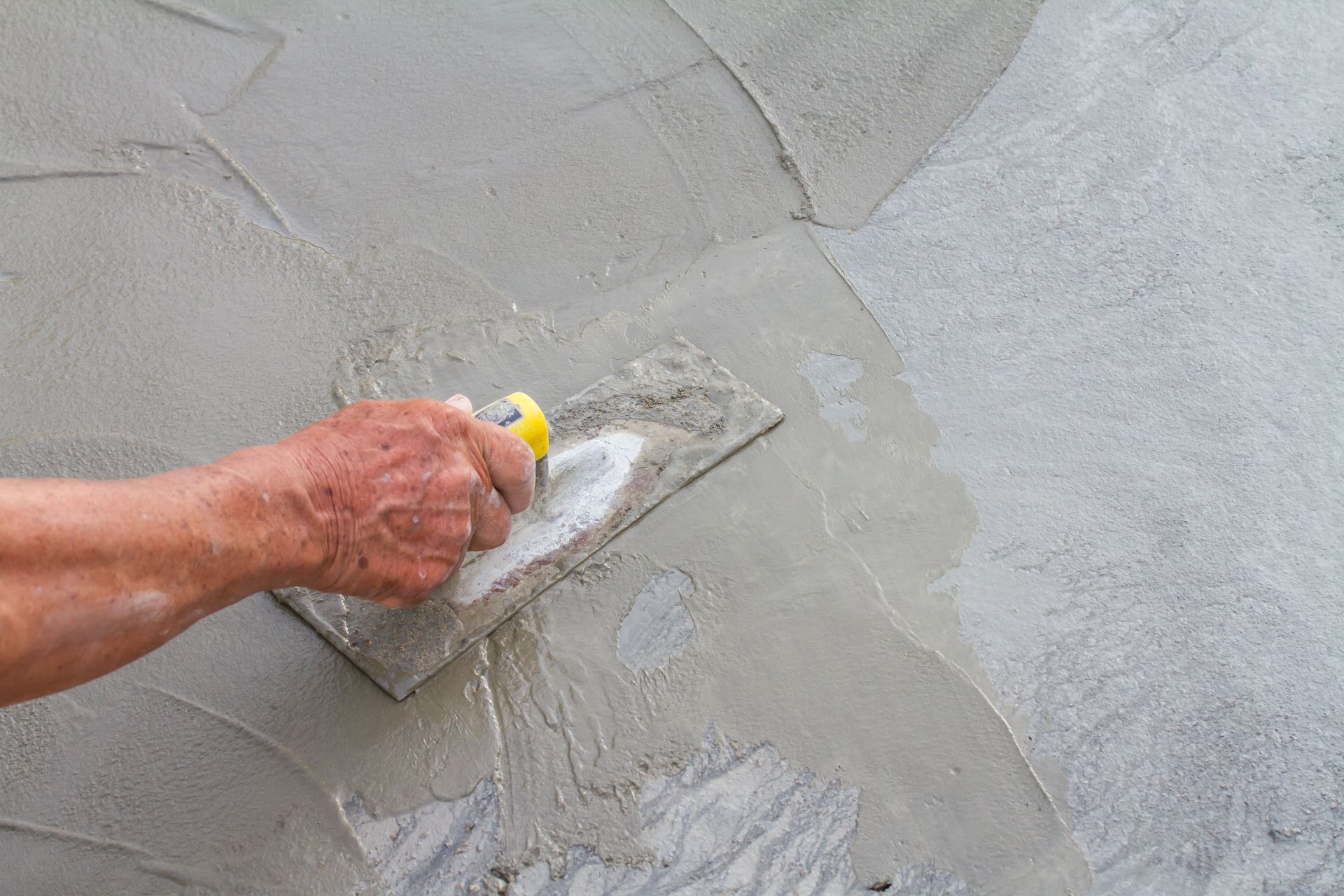
The performance of a coating depends heavily on preparation before the material is applied. Concrete should be thoroughly cleaned so dirt, oil, grease, dust, and previous surface treatments do not interfere with adhesion. Existing damage may also require attention. Cracks, chips, uneven areas, and other imperfections should generally be repaired before coating because simply covering them may not resolve underlying problems.
Mechanical grinding, shot blasting, or other preparation methods may be used to establish an appropriate surface profile. Depending on the system, a primer can then help seal pores and establish a consistent foundation for subsequent layers. Installers must also follow requirements involving mixing ratios, application thicknesses, temperatures, humidity, and curing times. Careful preparation gives concrete floor coatings a stronger foundation and can reduce the likelihood of peeling, bubbling, or premature delamination.
Reducing Wear From Heavy Traffic
Constant pedestrian and vehicle movement can gradually abrade concrete. Forklifts, carts, automobiles, equipment, and even ordinary foot traffic repeatedly place friction and pressure on the same areas. Over time, an untreated floor may develop scratches, worn sections, surface dusting, chips, or other signs of deterioration. A professionally installed coating acts as a sacrificial protective layer between these stresses and the structural concrete.
This protection is particularly useful in loading areas, warehouses, commercial garages, factories, and other facilities where operations depend on a smooth floor. A durable coating can help minimize small abrasions that might otherwise develop into more noticeable surface damage. Maintaining a smoother surface can also simplify cleaning and reduce disruptions associated with frequent repairs. Protecting the substrate allows property owners to focus maintenance efforts on the coating rather than allowing daily traffic to directly affect the concrete.
Resisting Scratches, Scuffs, and Impacts
High-traffic environments expose floors to more than gradual abrasion. Dropped tools, moving equipment, furniture, loaded carts, and vehicle activity can cause scratches, scuffs, and impacts. Depending on their formulation, concrete floor coatings can provide a harder wearing surface that resists many of these everyday stresses. Specialized aggregates or additives may also be incorporated when additional hardness, texture, or traction is necessary.
Impact resistance is especially valuable in industrial settings where heavy objects or machinery place substantial pressure on the floor. Some coating materials can distribute force across a broader area rather than allowing stress to remain concentrated at one point. Although no coating makes a floor immune to severe damage, selecting a system suited to anticipated loads can help reduce pitting, chipping, and other deterioration associated with normal operations.
Providing Chemical and Spill Resistance
Concrete is porous, meaning liquids can penetrate its surface when it is left unprotected. Oils, fuels, cleaning products, solvents, acids, alkalis, and other substances may stain concrete or contribute to deterioration depending on their composition and exposure time. This issue is especially relevant in automotive shops, manufacturing facilities, commercial kitchens, laboratories, warehouses, and other environments where spills may occur regularly.
A suitable coating creates a barrier that limits direct contact between spilled materials and the substrate. Chemical resistance varies considerably among products, so the coating must be selected according to the substances likely to be present. Prompt cleanup remains important even when a resistant system is installed. By reducing absorption, concrete floor coatings can make many spills easier to manage while helping preserve the condition and appearance of the underlying floor.
Improving Safety and Daily Maintenance
Floor protection can also contribute to safer and more manageable workspaces. Texture, decorative flakes, or specialized aggregates can be incorporated into certain systems to increase traction in locations where moisture or spills may create slippery conditions. The appropriate texture should balance slip resistance with cleaning requirements because extremely rough surfaces can collect debris and require additional maintenance.
A seamless coated surface generally has fewer pores and irregularities where dirt, dust, and liquids can accumulate. Routine sweeping, mopping, or other appropriate cleaning methods can therefore become more straightforward. This benefit can be particularly important in businesses where cleanliness contributes to customer impressions, sanitation practices, or efficient operations. Color and finish options may also be used to create designated work zones, walkways, parking areas, or other visual distinctions within a facility.
Supporting Long-Term Floor Durability
Long-term coating performance depends on material quality, professional application, environmental conditions, traffic levels, and ongoing maintenance. A coating designed for light pedestrian traffic may not perform adequately in a facility filled with forklifts or heavy machinery. Likewise, an indoor product may not be appropriate for exterior areas exposed to sunlight, rain, and substantial temperature fluctuations. Matching the coating to its environment is essential for obtaining dependable performance.
Routine inspections can identify scratches, worn areas, or other changes before they become more extensive. Cleaning practices should also be compatible with the coating because overly aggressive chemicals or methods may shorten its service life. In some situations, applying a new topcoat at appropriate intervals can restore appearance and reinforce protection without requiring complete replacement of the system.
From warehouses and manufacturing plants to garages and retail facilities, concrete floor coatings provide a practical way to preserve surfaces that experience demanding daily use. Selecting the right materials, preparing the substrate correctly, and following suitable maintenance practices can extend the usefulness of the finished system. By combining physical protection, easier maintenance, improved appearance, and optional safety features, a quality coating can help concrete floors remain functional and presentable despite ongoing foot and vehicle traffic. Contact Next Level Concrete Coatings today and learn more about our floor coating services.