November 16, 2026
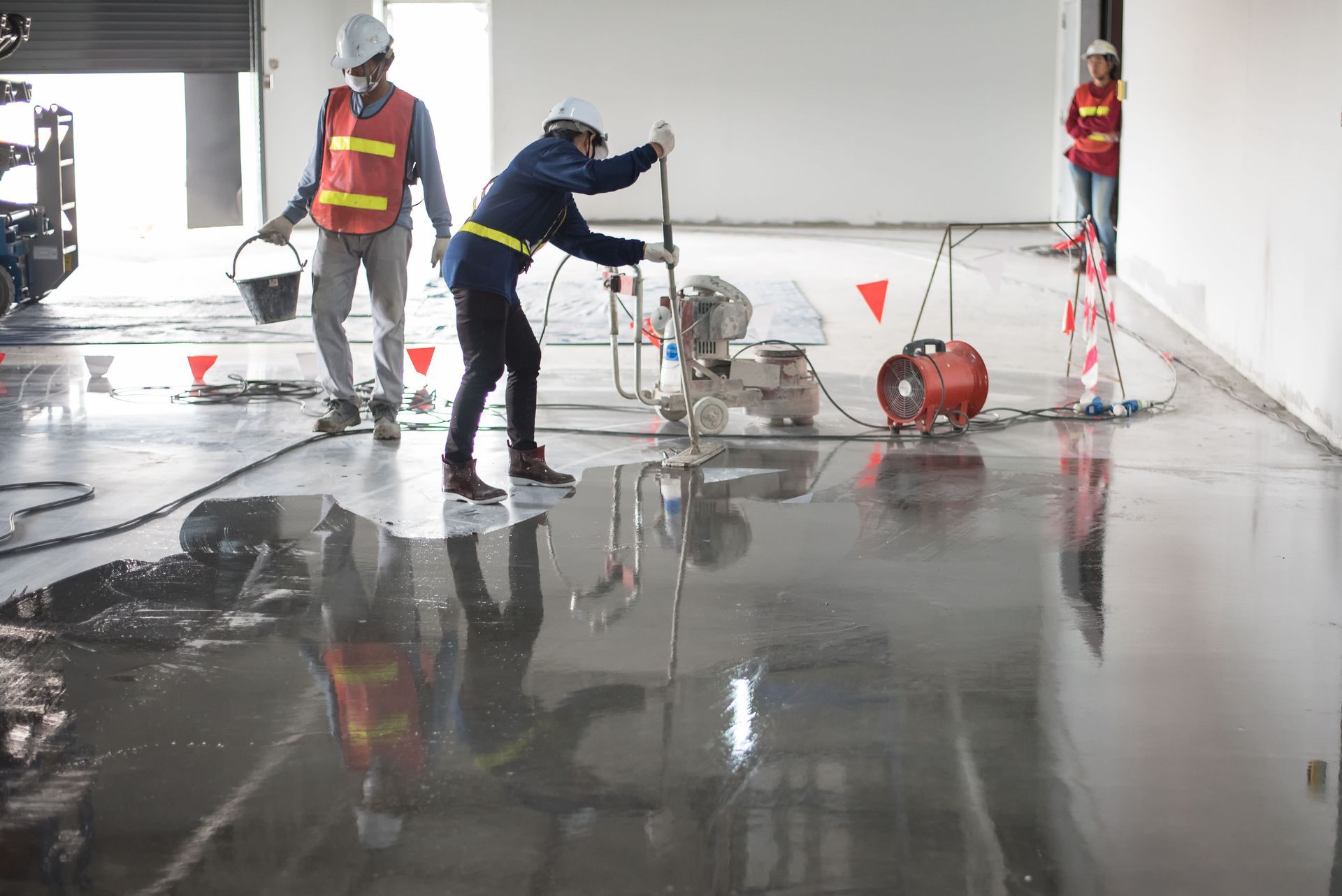
In commercial settings, the choice of flooring has far-reaching implications for both workplace safety and daily hygiene. The floors of busy facilities endure heavy foot traffic, mechanical equipment, chemical exposures, and frequent moisture, requiring materials that provide both lasting durability and resistance to hazardous conditions. A commercial epoxy floor has become a premier choice for facility managers seeking a smooth, resilient surface that actively addresses health and safety concerns. Over recent years, the adoption of epoxy surface systems has grown significantly in sectors where absolute cleanliness and employee well-being are operational priorities. Understanding why this flooring system represents the gold standard in modern commercial architecture requires a closer look at its unique hygienic features, customizable safety additions, and long-term performance.
Non-Porous Surface Architecture Enhances Daily Sanitation Protocols
A primary benefit of a commercial epoxy floor is its continuous, non-porous surface structure. Conventional concrete surfaces feature tiny pores, micro-cracks, and open seams that act as collection points for dirt, spilled liquids, and organic waste. When moisture penetrates these small openings, removing contaminants through regular sweeping or mopping becomes exceptionally challenging. Epoxy coatings create an impenetrable barrier over the concrete base, preventing liquids and fine debris from settling into the subfloor. This protective layer allows daily cleaning routines to be completed quickly and effectively using standard sweeping and scrubbing methods. Because liquid spills remain entirely on the top layer, maintenance staff can thoroughly sanitize the space without worrying about hidden sub-surface contamination.
Natural Antimicrobial Properties Limit Microbial Growth in Critical Workspaces
Beyond offering simple moisture protection, the synthetic makeup of epoxy resin systems actively hinders the growth of microbes on the surface. In environments like food prep areas, pharmaceutical labs, and healthcare settings, controlling microbial spread is an essential daily requirement. A commercial epoxy floor leaves no organic material for fungi, mold, or bacteria to use as a growth medium, making it significantly easier to maintain a sterile room. Unlike conventional flooring options that require heavy chemical treatments to suppress mold spores, epoxy finishes maintain high standards of cleanliness with routine cleaning regimens. This inherent resistance protects indoor air quality and supports overall employee health across hygiene-focused facilities.
Seamless Finishes Eliminate Heavy Accumulation of Trapped Debris
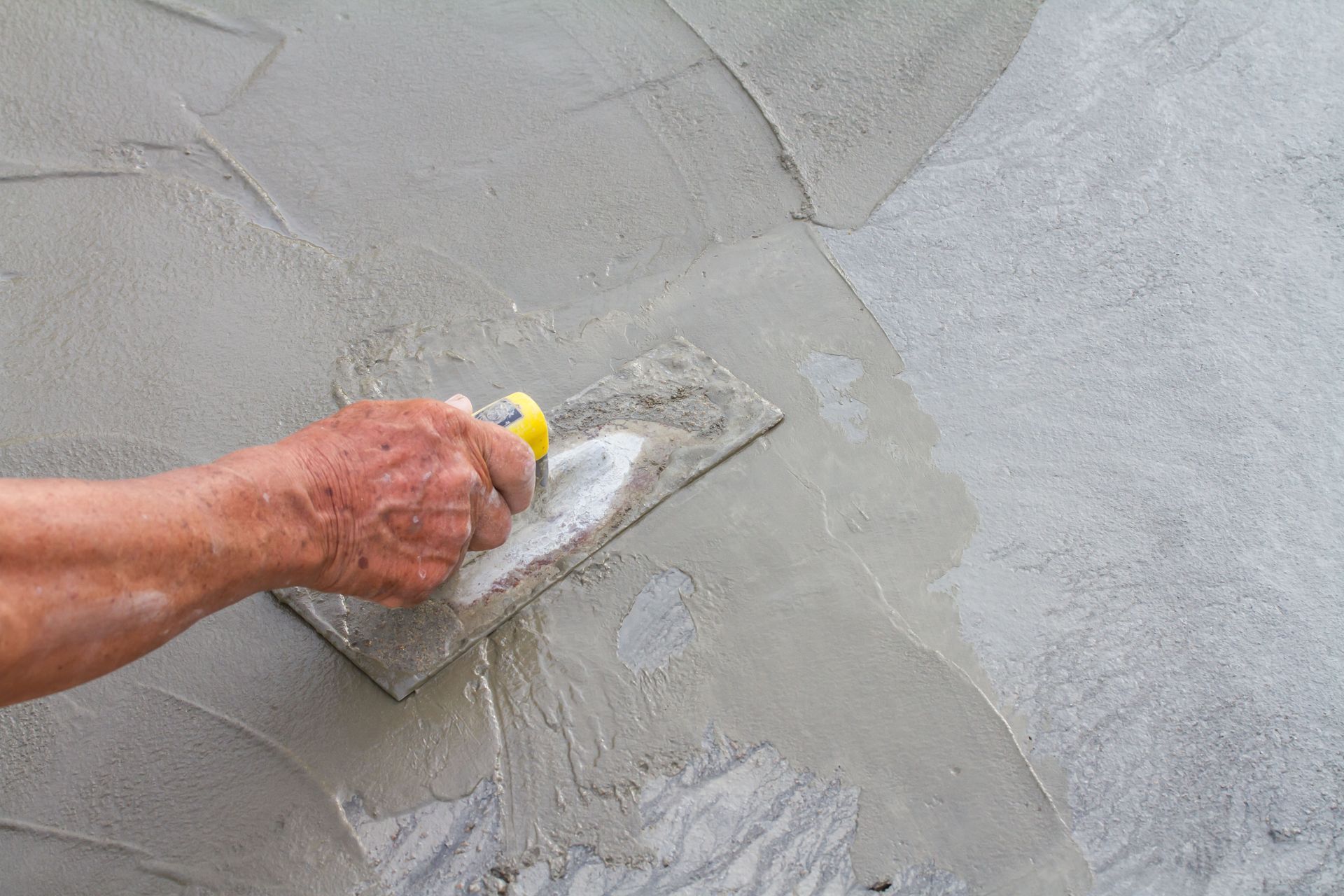
Traditional commercial tile options rely heavily on grout lines, expansion seams, and joints to accommodate installation, creating hundreds of narrow gaps across the room. Over time, these recessed areas collect grit, grease, and moisture, leading to discoloration, unpleasant odors, and compromised hygiene. A seamless commercial epoxy floor covers the entire room in a continuous, smooth layer from wall to wall. Eliminating floor seams does away with hard-to-reach pockets where grime typically gathers. Facility teams spend less time scrubbing joint lines and more time maintaining general operational standards, ensuring that every square foot of the facility satisfies strict cleanliness benchmarks.
High Chemical Resistance Protects Surfaces During Harsh Disinfection Procedures
Commercial facilities must frequently use heavy-duty cleaners, degreasers, and chemical disinfectants to comply with strict industry health standards. Many traditional flooring materials deteriorate when exposed to harsh cleaning solutions, showing signs of etching, pitting, or surface fading. A commercial epoxy floor is formulated to resist chemical damage, allowing it to withstand rigorous disinfection routines without breaking down over time. Facilities handling industrial solvents, oils, acidic compounds, or concentrated sanitizers can perform thorough washdowns with full peace of mind. The surface maintains its structural integrity and sleek finish despite repeated contact with aggressive cleaning formulas.
Continued Compliance With Industry Standards Supports Reliable Operational
Meeting strict environmental health standards set by governing agencies is essential for commercial facility management. Regulatory bodies require food processing plants, medical facilities, and manufacturing shops to maintain floor surfaces that can be sanitized completely without degrading. Installing a commercial epoxy floor helps businesses fulfill these cleanliness criteria consistently, reducing the risk of regulatory fines or operational shutdowns. The smooth surface resists stain absorption and liquid damage, ensuring the facility passes safety inspections with ease. By choosing a durable epoxy surface system, facility owners show a clear dedication to workplace health and regulatory compliance.
Textured Aggregates Enhance Surface Friction and Help Prevent Workplace Slips
While standard epoxy finishes are smooth, specialized aggregates such as quartz or aluminum oxide can be embedded directly into the wet resin during application. These additives create a finely textured surface that provides superior traction underfoot, even when the floor is exposed to liquids, lubricants, or fine powders. According to Liberty Mutual, workplace slips and trips that do not result in a fall cost U.S. employers an additional $2.34 billion per year. Installing a slip-resistant commercial epoxy floor helps lower the risk of these expensive workplace injuries. By tailoring the texture to match specific operational risks, facility managers establish a much safer work environment for walking and operating light machinery.
Customizable Anti-Slip Ratings Tailor Protection to Specific Facility Zones
Different areas of a single commercial facility often present varying levels of slip hazards depending on the work being performed. For example, dry storage areas require different surface characteristics than wet washdown zones, production lines, or entry hallways. A commercial epoxy floor allows installers to customize the surface friction rating for every distinct zone inside a building. Higher friction profiles can be applied near exterior doors or processing stations where liquids are present, while smoother profiles can be used in dry storage spaces. This flexibility lets facility managers optimize safety throughout their building without compromising on ease of cleaning or functional utility.
Durable Wet Performance Prevents Common Friction Losses in High-Moisture Areas
Liquid spills pose an immediate hazard on traditional polished concrete or vinyl tile, turning smooth walkways into slippery zones. A properly textured commercial epoxy floor retains its anti-slip properties even when covered in water, oils, or food products. The embedded aggregates rise slightly above the liquid layer, allowing footwear outsoles to make firm contact with the floor. This dependable wet friction is vital in commercial kitchens, bottling facilities, and vehicle service bays where liquids are used daily. Sustaining traction under wet conditions helps lower accidental falls, protecting staff members during routine tasks.
Enhanced Impact and Wear Resistance Prevents Dangerous Surface Degradation
Industrial floors are subjected to intense mechanical forces, including heavy foot traffic, rolling carts, pallet jacks, and heavy equipment. Over time, heavy traffic can cause ordinary concrete to chip, flake, or develop hazardous cracks that create tripping hazards. A commercial epoxy floor exhibits extraordinary tensile strength and impact resistance, allowing it to absorb structural shocks without cracking or breaking apart. By preserving a uniform, flat walking surface over years of heavy use, epoxy coatings eliminate floor surface defects that often cause trips. The result is a resilient floor that preserves both physical safety and structural integrity over time.
Reflective Surfaces Improve Workspace Lighting and Lower Energy Requirements
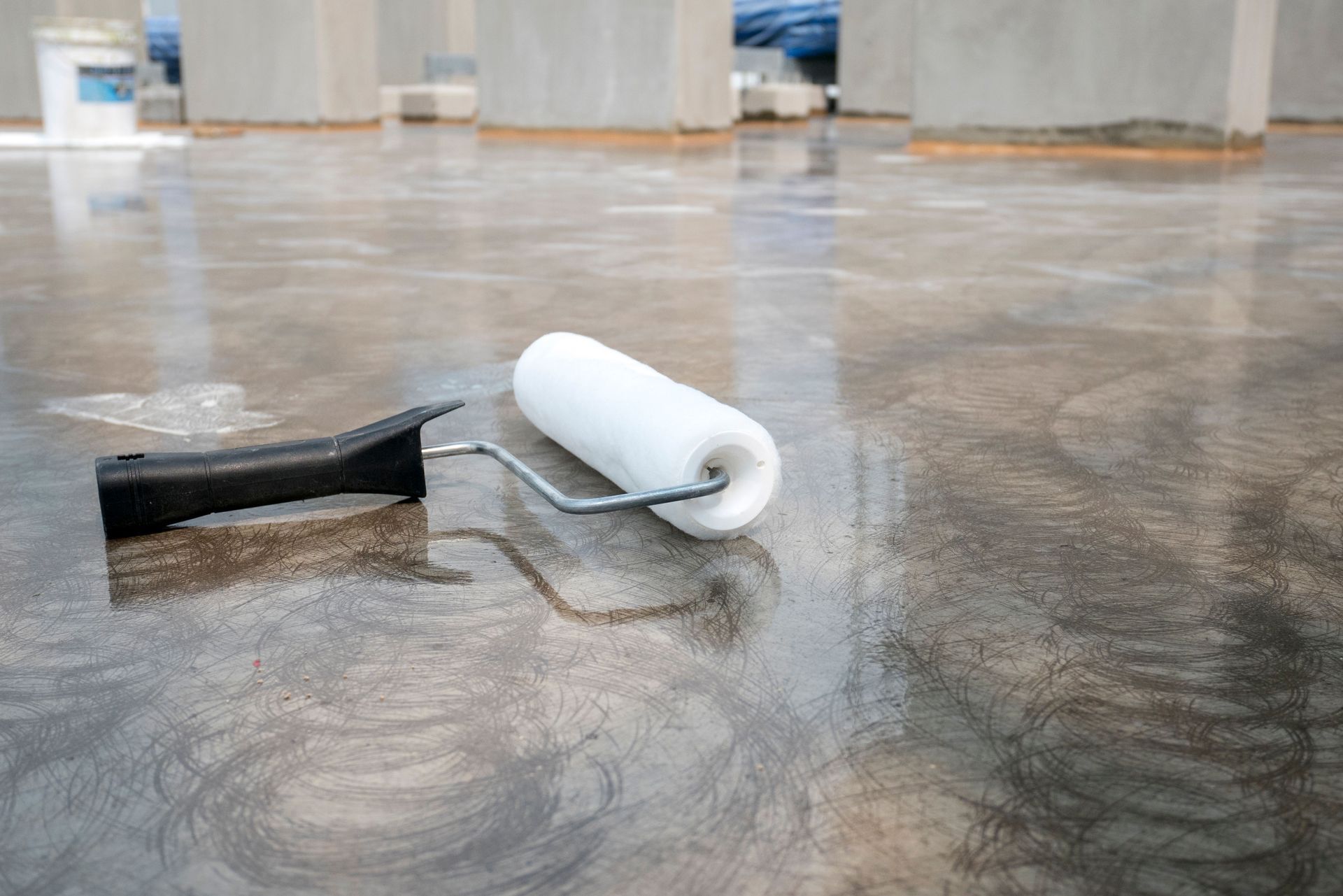
The high-gloss surface of a polished commercial epoxy floor significantly improves ambient lighting inside industrial buildings. By reflecting light back up into the room, epoxy surfaces enhance general visibility across warehouses, assembly spaces, and corridors. Brighter environments help employees identify potential hazards, spot liquid spills quickly, and navigate machinery safely. The added light reflection also allows facilities to reduce the number of overhead fixtures needed, contributing to lower energy usage. Combining high-friction textures with enhanced ambient brightness creates an exceptionally safe working environment for team members during night or day shifts.
Choosing the right flooring surface is a fundamental decision for any commercial facility committed to upholding high safety and cleanliness standards. A commercial epoxy floor offers an exceptional combination of hygienic, non-porous protection, chemical durability, seamless application, and anti-slip options. By preventing liquid absorption, resisting bacterial growth, and offering customizable surface textures, epoxy surfaces solve the primary environmental challenges faced by modern industrial spaces. Investing in high-performance epoxy surfaces protects staff, lowers liability risks, and preserves facility infrastructure over the long haul. To learn how expert surface upgrades can transform your facility into a cleaner, safer working environment, contact Next Level Concrete Coatings for complete project details and tailored consultation services.